Leading up to the release of The Bone Nest, I wanted to feature stories of the wrongly convicted and the men and women who fight for them. My first in the series highlights someone whose work has inspired me and helped shape the way I approached this novel.
When I began writing The Bone Nest, I wanted to understand not just the legal side of wrongful convictions, but the human one—the weight of injustice and the people who bear it. That’s when I discovered attorney Brian W. Stolarz and his extraordinary work on behalf of Dewayne Brown.
Brian is a defense attorney, author, and advocate for criminal justice reform. His work on Dewayne Brown’s case has been featured nationwide and continues to influence conversations about wrongful convictions and the death penalty.
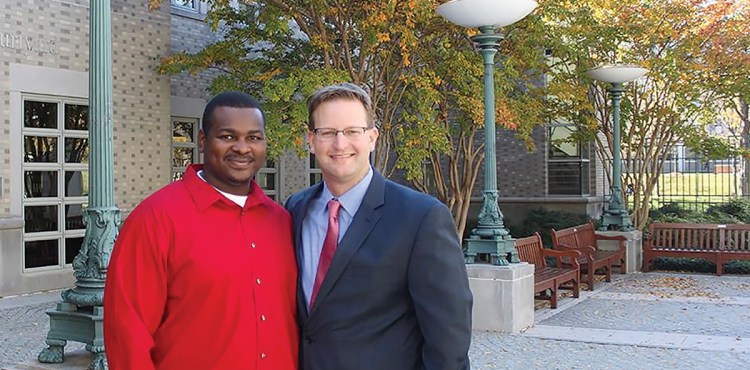
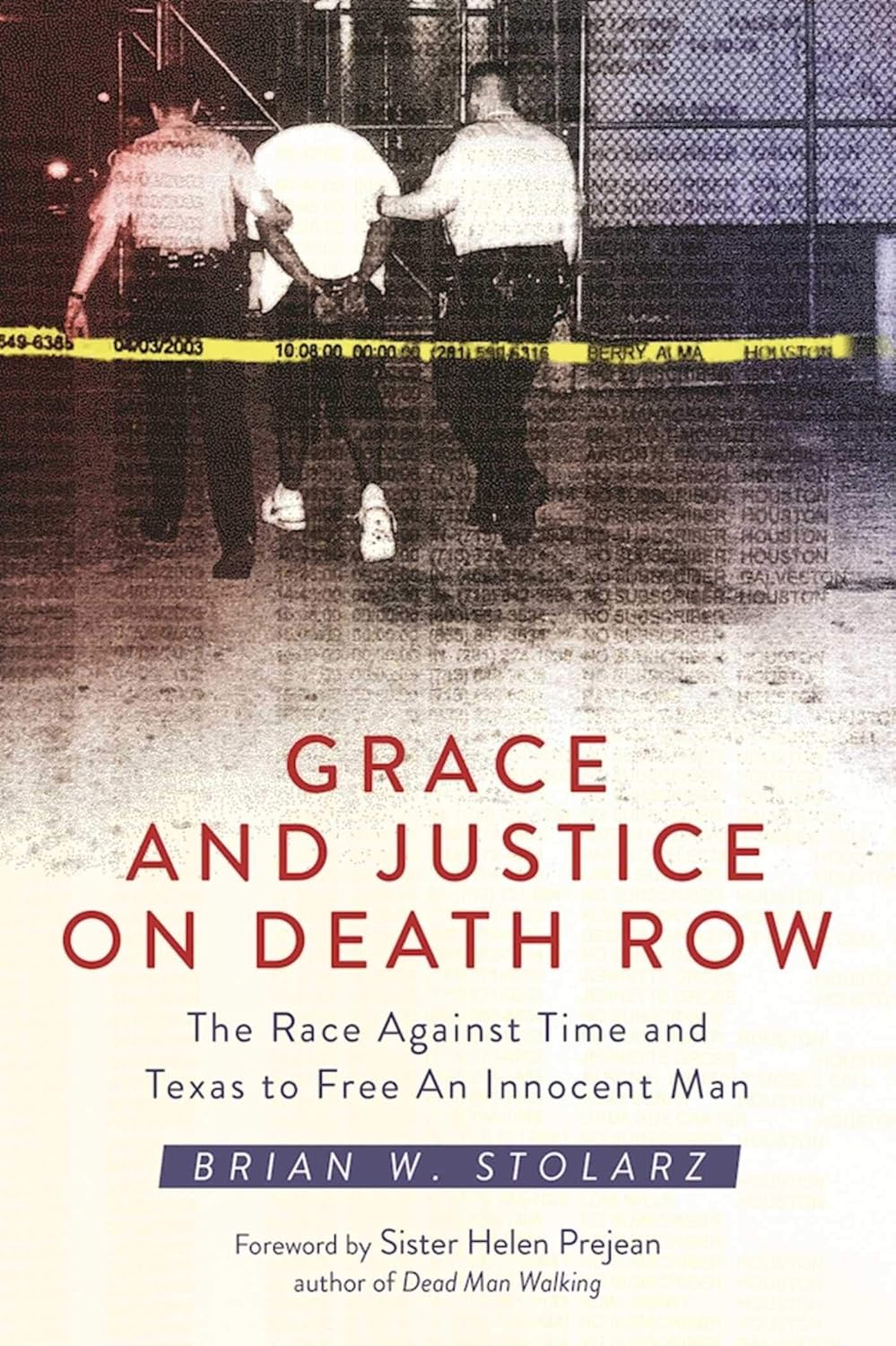
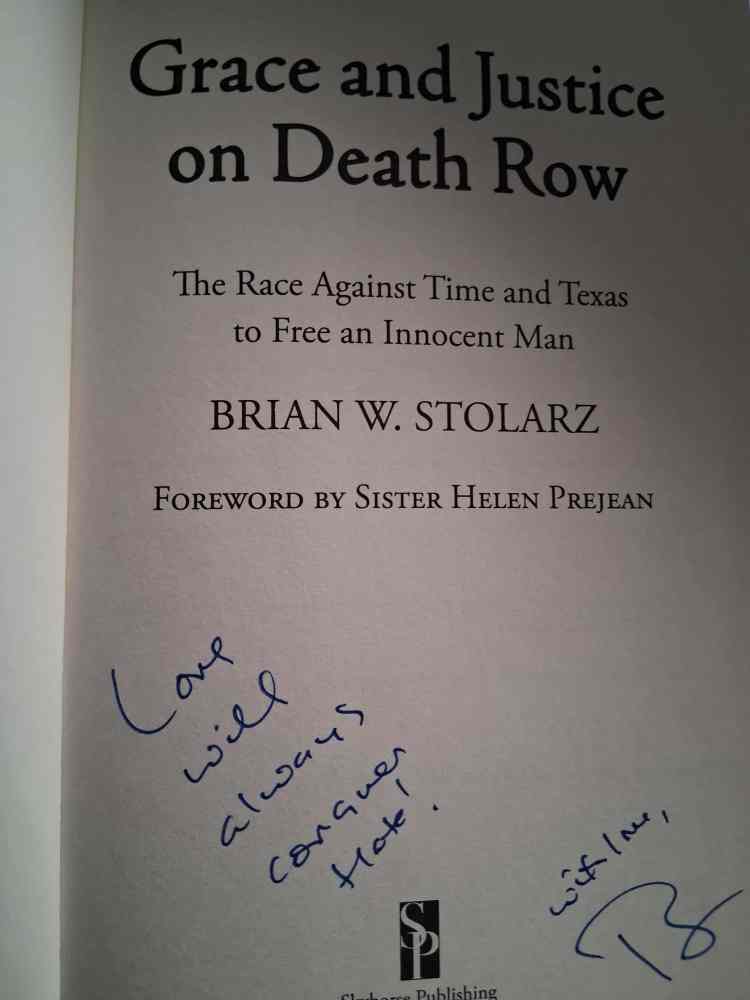
Dewayne Brown was convicted of murder in 2005 and spent ten years on death row before being released in June 2015, after his conviction was overturned due to withheld exculpatory evidence. Stolarz worked on his case for many of those years, ultimately helping to get the conviction vacated and the charges dismissed. His story is detailed in Stolarz’s book Grace and Justice on Death Row and can also be seen in Episode 8 of Netflix’s The Innocence Files.

I reached out to Brian while drafting The Bone Nest, hoping to get a few legal details right. He generously answered my questions and helped me understand the emotional weight behind the legal process—the slow grind of appeals, the bureaucracy, and the humanity within it. His insight shaped the book in ways I couldn’t have managed on my own.
I recently asked Brian a few questions about Grace and Justice on Death Row and the case that inspired it.
For readers who may not be familiar, can you share a brief overview of Grace and Justice on Death Row and what drew you to Dewayne Brown’s case?
Alfred Dewayne Brown served 12 years and 62 days in prison, with nearly 10 of them on Texas’ Death Row, for a crime he did not commit. I served, along with a team of dedicated attorneys, for many years as Dewayne’s pro bono habeas corpus counsel in Harris County, Texas state court. We were drawn to the case due to the client’s compelling alibi and innocence claims, the lack of any scientific evidence that tied Dewayne to the crime, and the claims of intellectual disability that were not thoroughly developed. Ultimately, after numerous years, the Harris County District Attorney’s Office turned over exculpatory evidence, specifically landline phone records, that were discovered in the lead homicide detective’s home garage. You read that right, a home garage! We also uncovered that the phone records were in the State’s file as of three weeks after the murder but were never turned over. Dewayne was released on June 8, 2015, and declared actually innocent in March 2019. His case is profiled in my book Grace and Justice on Death Row and in Episode 8 of The Innocence Files on Netflix.
Throughout The Bone Nest, I tried to explore how justice can bend under pressure—political, social, even personal. What do you see as the biggest forces working against fairness in our legal system?
For Dewayne’s case, it was a rush to judgment, tunnel vision, and a need for “justice” in a high-profile case that all worked against Dewayne and fairness in this case. The whole system failed him, from the tainted grand jury process, to the prosecutorial misconduct in not turning over exculpatory evidence, to an inadequate defense that was hampered by the lack of disclosure of the phone records, to a state doctor who elevated his IQ above the legal threshold for execution. Guilt and death seemed like a given from the beginning. And if it wasn’t for a team of attorneys dedicated to finding out the truth, he would have been executed and no one would have given it a second thought. I am happy to say that some structural changes to the Texas justice system happened as a result of Dewayne’s case, so future cases can be adjudicated more fairly.
Grace and Justice on Death Row feels both legal and spiritual in its message. How did grace come to shape your understanding of justice?
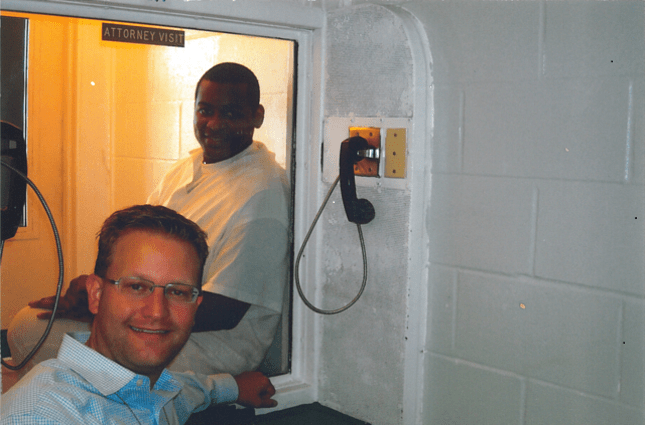
I believe that I was at the right place at the right time to answer the call to serve and take on Dewayne’s case. I felt that deep desire to serve when asked, and each time I would see him on Death Row, I could feel grace coming through the crackly phones. Dewayne’s peace, steadfast belief in his innocence, and the fact that he did not crack under the incredible pressure of 23 hours a day in his cell during the week (the other hour was in an enclosed rec yard by himself) and 24 hours a day on the weekend inspired me to continue to fight on, even when times were challenging in his case. I never lost faith in his innocence and the calling that I was blessed to receive and accept.
When I was researching for The Bone Nest, I wanted the legal details to feel real without overshadowing the story. What do you think writers and the general public most often misunderstand about criminal cases or courtroom work?
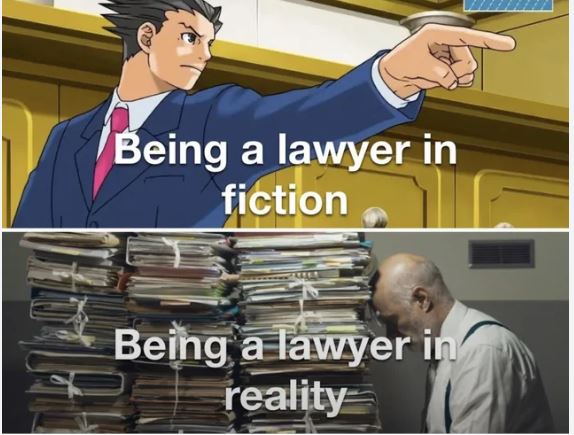
All too many times, I am yelling at the television during a legal show as the writers get it wrong – it is not as glamorous or simple as it appears! Most trials are long slogs, and there are seldom the “Perry Mason” moments in which a witness confesses or makes you win the case. Trial work requires incredible preparation and diligence, with brief moments that move the ball an inch or two in your favor, not something that can be jammed into a 60-minute episode!
Did you stay in touch with Dewayne after the trial and exoneration?
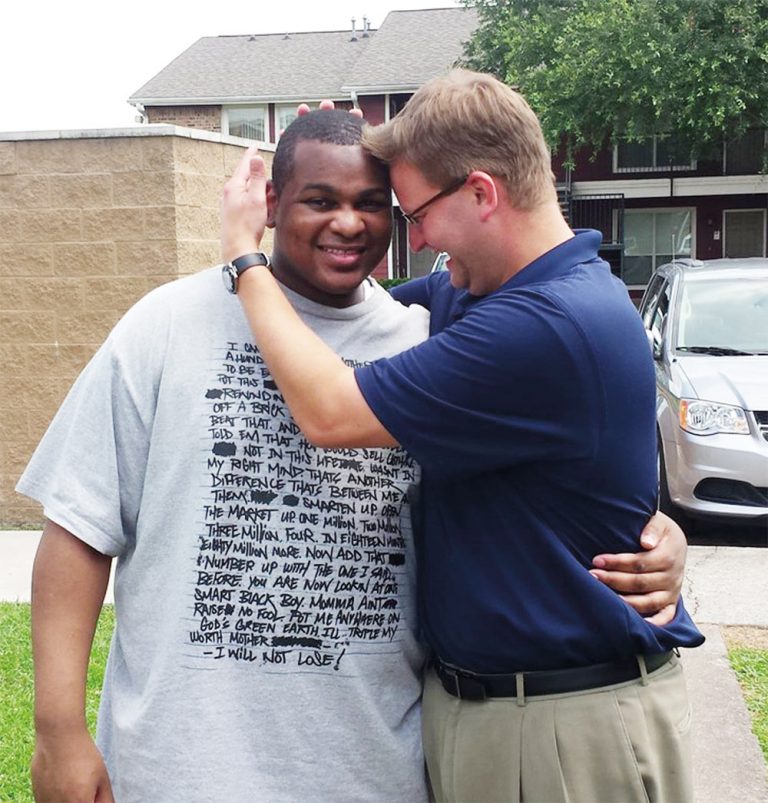
Of course! When he got out, I asked him if he would let me tell his story, and he said yes, and that if it could happen to him, it could happen to others. After the book was published and the Netflix episode was released, we have been featured speakers at colleges, law schools, conferences, and other events to tell his compelling story. At one law school we visited, a student came up to us and said that she would make sure to turn over all exculpatory evidence when she became a prosecutor. Score one for justice! It remains an honor and a blessing to talk about Dewayne’s case.
What do you hope readers take away from Dewayne’s story?
That perseverance in the face of long odds can result in justice. I tell my audiences to “answer the call to serve when it comes,” and I hope that the message resonates and that people keep their eyes, ears, minds, and hearts open to serve in whatever capacity is presented to them.
I appreciate Brian taking the time to answer these questions. His work is a reminder that justice doesn’t always come easily—and sometimes it only comes because someone refuses to stop fighting. I’m incredibly grateful for his kindness and willingness to help as I wrote The Bone Nest.
You can learn more about his book, Grace and Justice on Death Row, or order a copy here.
As I finish this conversation, I’m reminded why I wrote The Bone Nest in the first place. Stories like Dewayne’s stay with you. They ask you to look closer, to sit with discomfort, and to remember that behind every case is a human life. My fictionalized story of an innocent man on death row in Texas releases June 30, 2026, and I hope it carries forward the same questions about grace, justice, and what we owe one another.
I’m also grateful to partner with the Innocence Project of Texas, with 10% of all proceeds from this book going toward their continued fight for justice.

If you’d like to support or get involved with the Innocence Project of Texas, you can learn more at http://www.iptexas.org
 Shanessa Gluhm